Alumni programs in addiction recovery provide ongoing support networks for individuals who have completed formal treatment programs. These structured support systems connect graduates with peers, mentors, and resources to maintain sobriety and prevent relapse. Alumni programs serve as bridges between intensive treatment and independent recovery, offering community connections that extend far beyond discharge dates.
Most treatment facilities recognize that recovery extends well beyond initial program completion. Alumni programs address this reality by creating sustainable support networks. These programs typically include regular meetings, social events, and peer mentorship opportunities that help maintain accountability and motivation during challenging periods.
Key Takeaways
- Alumni programs reduce relapse rates by up to 40% according to the Substance Abuse and Mental Health Services Administration
- These programs provide peer support, professional guidance, and community connections for treatment graduates
- Regular participation in alumni activities correlates with improved long-term recovery outcomes
- Programs typically include meetings, social events, mentorship, and crisis support services
- Alumni networks help bridge the gap between intensive treatment and independent recovery maintenance
How Alumni Programs Support Long-Term Recovery
Alumni programs create structured environments where recovery veterans can share experiences and provide mutual support. Participants benefit from peer connections who understand addiction challenges firsthand. These relationships often develop into lasting friendships that extend beyond program boundaries.
Professional staff typically facilitate alumni meetings, ensuring discussions remain productive and supportive. Many programs incorporate educational components, covering topics like stress management, relationship building, and career development. This comprehensive approach addresses multiple aspects of post-treatment life.
Peer Mentorship and Accountability
Experienced alumni often mentor newer graduates, creating accountability partnerships that benefit both parties. Mentors gain purpose and reinforcement of their own recovery principles. Mentees receive guidance from individuals who have successfully navigated similar challenges and maintained sobriety.
Regular check-ins and goal-setting sessions help participants stay focused on recovery objectives. These structured interactions provide external motivation when internal drive wavers. Accountability partnerships often prove crucial during high-risk periods or major life transitions.
Types of Alumni Program Activities
Alumni programs offer diverse activities designed to maintain engagement and support various interests. Social events provide substance-free entertainment options, helping participants develop new recreational habits. These gatherings often include meals, outdoor activities, and community service projects.
Educational workshops address practical recovery topics like financial management, job searching, and relationship skills. Guest speakers, including recovery professionals and long-term alumni, share insights and strategies. These presentations help participants develop life skills essential for sustained recovery.
Crisis Support and Emergency Resources
Many alumni programs maintain 24-hour support hotlines staffed by counselors or experienced peers. These services provide immediate assistance during crisis situations or moments of intense craving. Quick access to support can prevent relapse episodes that might otherwise require intensive intervention.
Emergency resources often include temporary housing assistance, transportation to meetings, and connections to mental health services. This comprehensive safety net helps alumni navigate unexpected challenges without compromising their recovery progress.
Measuring Alumni Program Effectiveness
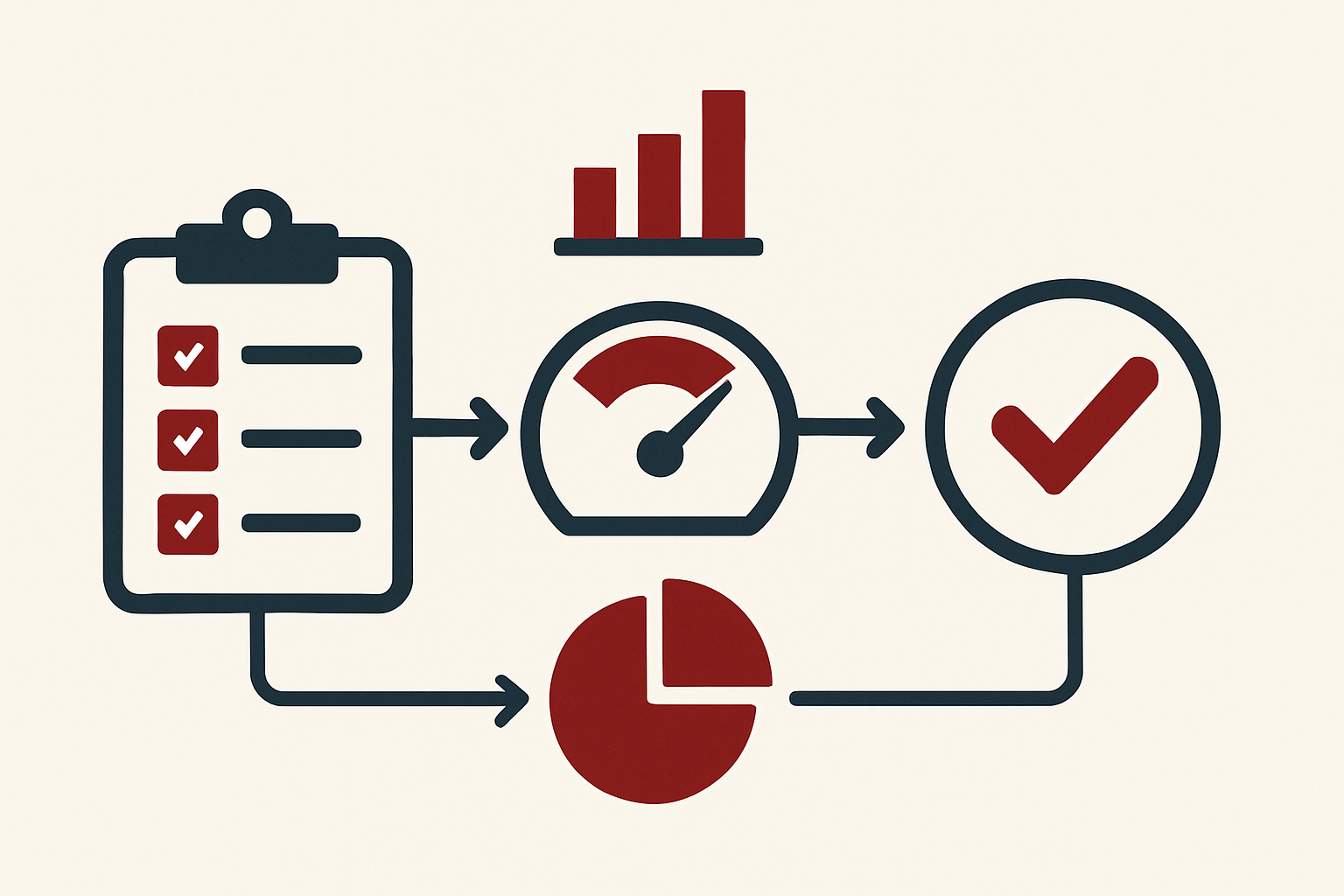
Treatment centers track alumni program participation rates and long-term sobriety outcomes to assess program effectiveness. Regular surveys measure participant satisfaction, perceived benefits, and areas for improvement. This feedback helps programs adapt to changing needs and preferences.
Follow-up studies typically examine sobriety rates at six-month, one-year, and multi-year intervals. Programs with higher engagement rates generally report better long-term outcomes. These metrics help justify program funding and guide expansion efforts.
Integration with Continuing Care Plans
Effective alumni programs integrate seamlessly with individualized continuing care plans developed during treatment. Counselors help graduates identify specific program components that align with their recovery goals and risk factors. This personalized approach maximizes program benefits and engagement.
Regular care plan reviews ensure alumni programs continue meeting evolving needs as recovery progresses. Adjustments might include increased meeting frequency during stressful periods or additional educational components addressing emerging challenges.
Frequently Asked Questions
How long should someone participate in an alumni program?
Participation duration varies based on individual needs and program structure. Most experts recommend at least one year of active involvement, though many alumni continue participating for several years. Long-term engagement often provides ongoing benefits and opportunities to mentor newer participants.
Are family members allowed to participate in alumni programs?
Many alumni programs include family components or separate family support groups. These elements help rebuild relationships damaged by addiction and educate family members about recovery processes. Family involvement often strengthens overall support networks and improves program outcomes.
What happens if someone relapses while in an alumni program?
Alumni programs typically maintain open-door policies for participants who experience relapse. Staff provide crisis support, help assess treatment needs, and facilitate appropriate referrals when necessary. Many programs view relapse as learning opportunities rather than failures, maintaining supportive relationships throughout recovery challenges.
Do alumni programs cost money to participate?
Most treatment center alumni programs are free for graduates, funded through facility budgets or donations. Independent alumni organizations might charge modest membership fees to cover meeting spaces and activities. Financial assistance is often available for participants experiencing economic hardship.
Bottom Line
Alumni programs provide essential ongoing support that significantly improves long-term recovery outcomes for individuals completing addiction treatment. These programs create lasting community connections and accountability structures that help prevent relapse and promote sustained sobriety.
For individuals seeking comprehensive addiction recovery resources and treatment information, opioidaddiction.help offers evidence-based guidance on treatment options, including the importance of continuing care and support networks in maintaining long-term recovery success.
References
- Substance Abuse and Mental Health Services Administration. (2020). Treatment Episode Data Set (TEDS): 2018. Admissions to and Discharges from Publicly Funded Substance Use Treatment. https://www.samhsa.gov/data/sites/default/files/reports/rpt29393/2018_Treatment_Episode_Data_Set_Annual/2018_Treatment_Episode_Data_Set_Annual.htm
- National Institute on Drug Abuse. (2019). Principles of Drug Addiction Treatment: A Research-Based Guide (Third Edition). https://www.drugabuse.gov/publications/principles-drug-addiction-treatment-research-based-guide-third-edition
- Jason, L. A., Davis, M. I., & Ferrari, J. R. (2007). The need for substance abuse after-care: Longitudinal analysis of Oxford House. Addictive Behaviors, 32(4), 803-818.
- McKay, J. R. (2009). Continuing care research: What we have learned and where we are going. Journal of Substance Abuse Treatment, 36(2), 131-145.