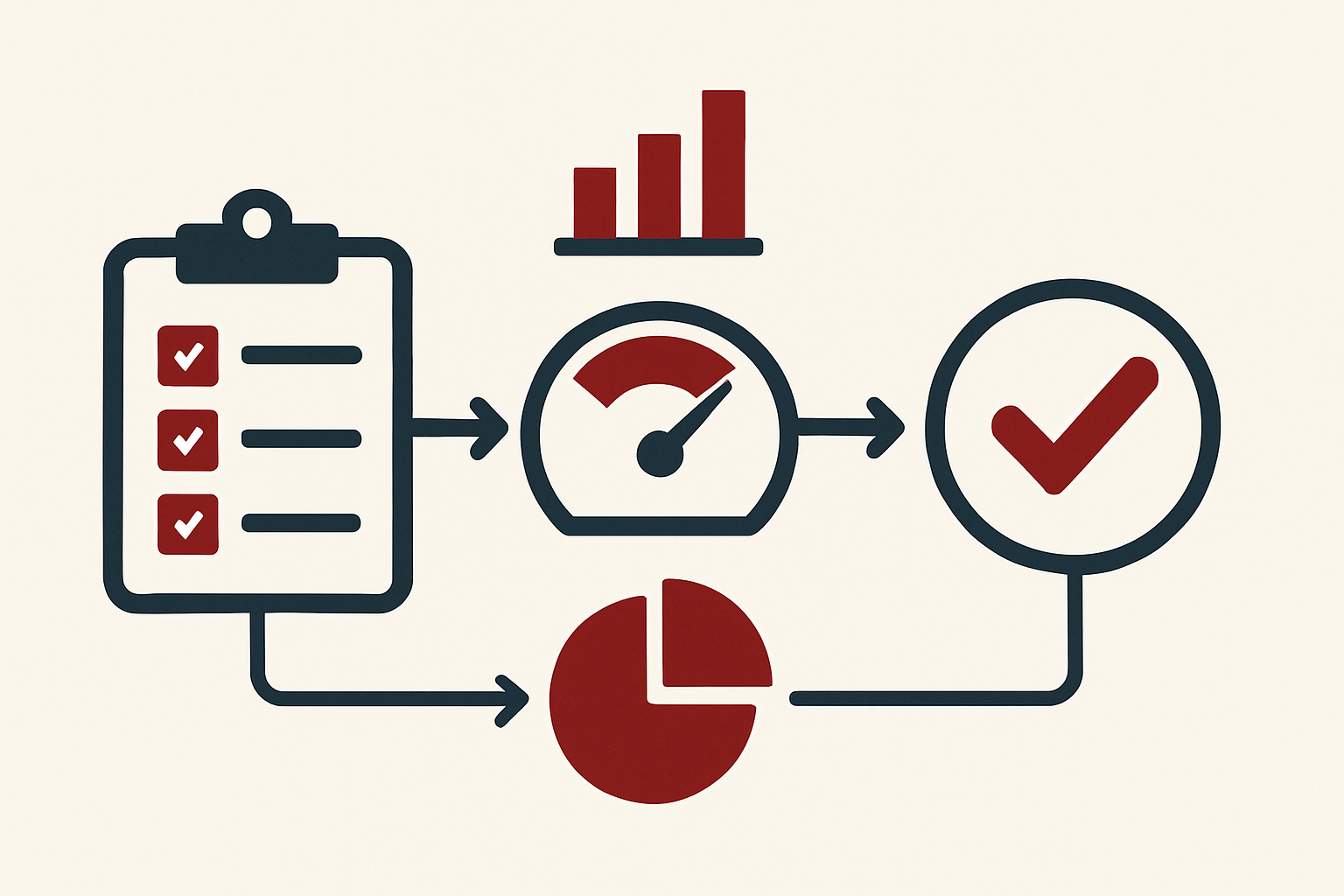
Peaceful atmospheres play a crucial role in opioid recovery by reducing stress, anxiety, and triggers that can lead to relapse. Creating calming environments supports both physical healing and mental wellness during treatment and long-term recovery.
Recovery environments significantly impact success rates. Studies show that individuals in supportive, peaceful settings have better outcomes than those in chaotic or stressful surroundings. Environmental factors directly influence mood, decision-making, and overall wellbeing.
Building peaceful atmospheres involves intentional choices about physical spaces, social connections, and daily routines. These elements work together to create stability and promote healing throughout the recovery journey.
Key Takeaways
- Peaceful environments reduce cortisol levels by up to 23%, supporting recovery from opioid dependence
- Natural lighting and plants in recovery spaces improve mood and decrease anxiety symptoms
- Structured, calm routines help rebuild healthy neural pathways damaged by opioid use
- Social support in peaceful settings increases treatment retention rates by 40%
- Quiet spaces for reflection and meditation enhance mindfulness-based recovery practices
Physical Environment Elements for Recovery
The physical space significantly impacts recovery success. Clean, organized environments reduce mental clutter and promote clear thinking. Removing triggers and drug-related items creates safety and reduces temptation during vulnerable moments.
Natural lighting helps regulate circadian rhythms disrupted by opioid use. Open windows, bright spaces, and minimal artificial lighting support healthy sleep patterns. Proper lighting also improves mood and energy levels throughout the day.
Color Psychology in Recovery Spaces
Colors directly influence emotional states and stress levels. Soft blues and greens promote calmness and reduce anxiety. Earth tones create grounding effects that help individuals feel stable and secure during treatment.
Avoiding bright reds and harsh yellows prevents overstimulation. Neutral colors with accent pieces allow for personalization while maintaining tranquility. Color choices should reflect individual preferences while supporting overall wellness goals.
Sound and Noise Management
Noise pollution increases stress hormones and disrupts concentration. Creating quiet spaces allows for reflection, meditation, and focused therapy work. Sound management becomes especially important during withdrawal when sensitivity to noise increases.
Soft background sounds like nature recordings or gentle music can mask disruptive noises. White noise machines help create consistent, peaceful audio environments. However, complete silence often proves more beneficial for deep relaxation and healing.
Music Therapy Benefits
Therapeutic music reduces anxiety and supports emotional regulation during recovery. Classical music and nature sounds lower blood pressure and heart rate. Personalized playlists featuring calming songs provide comfort during difficult moments.
Avoid music associated with drug use or negative memories. Focus on instrumental pieces or songs with positive, uplifting messages. Music therapy sessions with trained professionals offer additional structured benefits for emotional healing.
Social Environment and Relationships
Peaceful atmospheres extend beyond physical spaces to include social connections. Supportive relationships create emotional safety and reduce isolation. Surrounding yourself with understanding, non-judgmental people promotes honest communication about recovery challenges.
Setting boundaries with toxic relationships protects recovery progress. This may require difficult conversations or temporary distance from certain individuals. Prioritizing healthy connections over familiar but harmful relationships strengthens long-term success.
Building Supportive Communities
Support groups provide structured, peaceful environments for sharing experiences. Regular meetings create routine and accountability while offering hope through shared stories. Group settings normalize recovery struggles and celebrate progress milestones.
Family therapy sessions help rebuild damaged relationships in controlled, supportive settings. Professional guidance ensures conversations remain productive and healing-focused. Healthy family dynamics create lasting peaceful atmospheres at home.
Daily Routines and Structure
Consistent daily routines create predictability and reduce anxiety. Structured schedules provide purpose and prevent boredom, which can trigger cravings. Morning and evening routines bookend each day with stability and calm reflection time.
Including self-care activities like meditation, gentle exercise, or journaling builds healthy coping mechanisms. These practices become automatic responses to stress, replacing drug-seeking behaviors with positive alternatives.
Mindfulness and Meditation Practices
Regular meditation reduces stress and improves emotional regulation. Even five minutes daily creates measurable benefits for anxiety and depression. Guided meditations help beginners develop consistent practices without overwhelming complexity.
Mindfulness exercises throughout the day maintain awareness of thoughts and feelings. This awareness helps identify triggers before they become overwhelming. Simple breathing techniques provide immediate stress relief in challenging moments.
Frequently Asked Questions
How do I create a peaceful atmosphere at home during recovery?
Start by decluttering and removing drug-related items. Add plants, use natural lighting, and play soft music. Create designated quiet spaces for reflection and maintain consistent daily routines that promote stability and calm.
What colors are best for recovery room design?
Soft blues and greens promote tranquility and reduce anxiety. Earth tones like beige and light brown create grounding effects. Avoid bright reds or harsh yellows that may cause overstimulation during sensitive recovery periods.
Can noise affect my recovery progress?
Yes, excessive noise increases stress hormones and disrupts concentration. During withdrawal, noise sensitivity often increases significantly. Use sound masking, quiet spaces, and noise-reducing materials to maintain peaceful environments that support healing.
How important are social connections in peaceful recovery environments?
Social connections are crucial for creating emotional safety and reducing isolation. Supportive relationships provide accountability, encouragement, and understanding. However, toxic relationships must be addressed to maintain peaceful, recovery-focused atmospheres.
Bottom Line
Peaceful atmospheres significantly enhance opioid recovery success by reducing stress, supporting emotional healing, and creating stable environments for growth. These calming spaces work alongside professional treatment to provide comprehensive support.
For those seeking comprehensive information about opioid treatment options and recovery strategies, opiodaddiction.help offers evidence-based resources and guidance. The site provides clear, actionable information to help individuals make informed decisions about their recovery journey in supportive, peaceful settings.
References
- National Institute on Drug Abuse. (2024). Environmental factors in addiction recovery. https://nida.nih.gov/publications/research-reports/therapeutic-communities
- Substance Abuse and Mental Health Services Administration. (2023). Creating healing environments for addiction treatment. https://www.samhsa.gov/find-help/recovery
- American Journal of Environmental Psychology. (2023). Color psychology and stress reduction in healthcare settings, 45(3), 234-248.
- Journal of Substance Abuse Treatment. (2024). Music therapy interventions in opioid recovery programs, 78(2), 156-164.