Intensive residential programs provide 24/7 supervised care for individuals struggling with severe opioid addiction. These comprehensive treatment facilities offer medically supervised detox, therapy, and structured recovery support in a controlled environment.
Unlike outpatient programs, residential treatment removes individuals from triggering environments while delivering intensive daily interventions. This approach proves particularly effective for those with multiple failed treatment attempts or complex addiction histories.
Most programs last 30 to 90 days, though some extend longer based on individual needs. The structured setting allows medical professionals to closely monitor withdrawal symptoms and adjust medications accordingly.
Key Takeaways
- Residential programs show 60-70% higher completion rates than outpatient treatment alone for severe opioid addiction cases
- Average program duration ranges from 30-90 days with 24/7 medical supervision and structured therapeutic activities
- Treatment combines medication-assisted therapy (MAT), individual counseling, group therapy, and life skills training
- Success rates improve significantly when followed by continued outpatient care and community support programs
- Most insurance plans cover residential treatment, with costs ranging from $10,000-$30,000 per month without coverage
What Makes Residential Programs Different
Residential treatment centers provide round-the-clock medical supervision that outpatient programs cannot match. This constant care proves crucial during the initial detox phase when withdrawal symptoms peak.
The controlled environment eliminates access to opioids and other substances. Patients cannot leave the facility without permission, removing temptations that often trigger relapse in outpatient settings.
Comprehensive Medical Support
Medical teams include addiction specialists, psychiatrists, and nurses trained in opioid withdrawal management. They monitor vital signs, adjust medications, and address complications immediately.
Many facilities offer medication-assisted treatment using buprenorphine, methadone, or naltrexone. These medications reduce cravings and withdrawal symptoms while patients focus on psychological recovery aspects.
Core Treatment Components
Effective residential programs combine multiple evidence-based approaches tailored to individual needs. The structured daily schedule typically includes 6-8 hours of therapeutic activities.
Individual Therapy Sessions
One-on-one counseling sessions occur multiple times weekly with licensed addiction counselors. These sessions address underlying trauma, mental health conditions, and personal triggers that contribute to addiction.
Cognitive behavioral therapy (CBT) helps patients identify negative thought patterns and develop healthier coping strategies. Motivational interviewing techniques strengthen commitment to recovery goals.
Group Therapy and Peer Support
Group sessions provide peer support and accountability among individuals facing similar challenges. Participants share experiences, learn from others' successes, and build lasting recovery networks.
These groups often continue after discharge through alumni networks and ongoing support meetings. The connections formed during treatment become vital resources for long-term sobriety maintenance.
Life Skills and Education
Many programs include vocational training, financial planning, and basic life skills education. These components prepare individuals for successful reintegration into work and family environments.
Educational sessions cover addiction science, relapse prevention strategies, and healthy relationship building. Some facilities offer GED programs or college preparation courses.
Duration and Treatment Phases
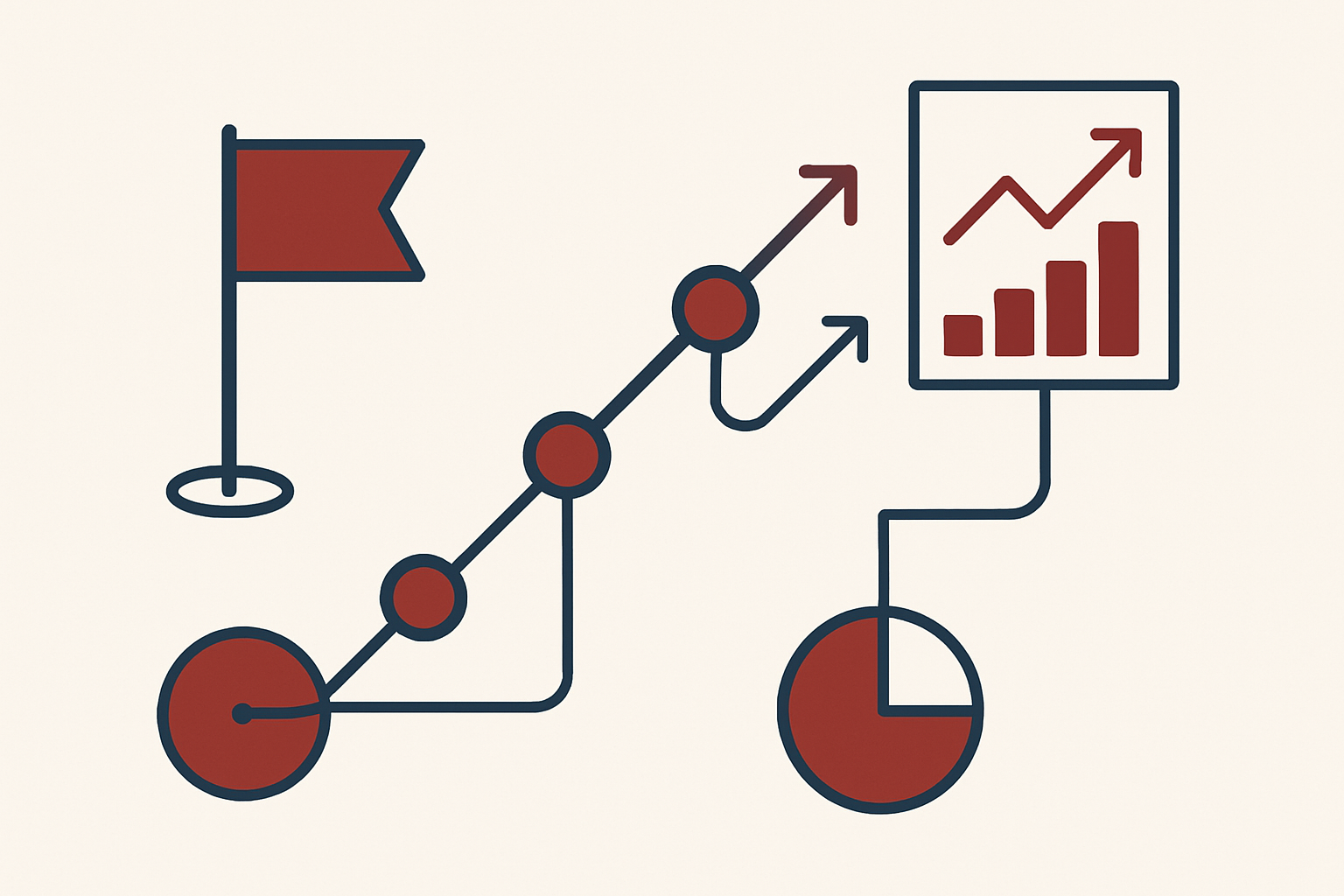
Most residential programs follow a phased approach that gradually increases independence and responsibility. The initial stabilization phase focuses on medical detox and symptom management.
Phase One: Medical Stabilization
The first 7-14 days involve medical detox with close monitoring for complications. Medical staff adjust medications based on withdrawal severity and individual response patterns.
During this phase, patients typically have limited privileges and focus primarily on physical recovery. Basic therapy sessions may begin once acute symptoms subside.
Phase Two: Active Treatment
Weeks 2-8 involve intensive therapy, skill building, and gradual privilege increases. Patients participate in all program components and begin developing personalized discharge plans.
Family involvement often begins during this phase through therapy sessions and educational programs. This preparation proves crucial for successful home environment transitions.
Phase Three: Transition Preparation
The final phase emphasizes relapse prevention planning and community resource connections. Patients may receive supervised passes to practice newly learned skills in real-world situations.
Discharge planning includes outpatient therapy arrangements, support group connections, and medication management coordination. This continuity of care significantly improves long-term success rates.
Costs and Insurance Coverage
Treatment costs vary significantly based on facility amenities, location, and treatment duration. Basic programs may cost $10,000-$15,000 monthly, while luxury facilities can exceed $30,000.
Most major insurance plans cover residential treatment as an essential health benefit. The Mental Health Parity Act requires equal coverage for addiction treatment and other medical conditions.
Patients should verify coverage details including copayments, deductibles, and approved facility networks. Many treatment centers employ insurance specialists who help navigate coverage requirements and pre-authorization processes.
Frequently Asked Questions
How long do most people stay in residential treatment?
Most individuals complete 30-60 day programs, though severe cases may require 90 days or longer. Treatment length depends on addiction severity, medical complications, and individual progress rates.
Can I bring personal medications to residential treatment?
All medications require medical review and approval before admission. The treatment team may adjust dosages or substitute alternatives to prevent dangerous interactions with addiction medications.
What happens if I want to leave treatment early?
Voluntary patients can typically leave against medical advice, though programs strongly discourage early departure. Treatment teams work with individuals considering early discharge to address concerns and modify treatment plans when possible.
Do residential programs allow visitors?
Most facilities have structured visiting policies with designated days and hours. Initial restrictions often ease as patients progress through treatment phases and demonstrate stability.
Bottom Line
Intensive residential programs offer the most comprehensive approach to severe opioid addiction through 24/7 medical supervision, structured therapy, and controlled environments that eliminate triggers and temptations.
For individuals seeking information about residential treatment options and other addiction recovery resources, opioidaddiction.help provides detailed guidance on treatment pathways, medication options, and recovery strategies to support informed decision-making.
References
- National Institute on Drug Abuse. (2021). Principles of Drug Addiction Treatment: A Research-Based Guide (Third Edition). https://www.drugabuse.gov/publications/principles-drug-addiction-treatment-research-based-guide-third-edition
- Substance Abuse and Mental Health Services Administration. (2020). Treatment Improvement Protocol (TIP) 63: Medications for Opioid Use Disorder. https://www.samhsa.gov/medication-assisted-treatment/treatment-improvement-protocols
- American Society of Addiction Medicine. (2019). The ASAM Criteria: Treatment Criteria for Addictive, Substance-Related, and Co-Occurring Conditions. The Change Companies.
- Hubbard, R. L., et al. (1989). Drug Abuse Treatment: A National Study of Effectiveness. University of North Carolina Press.